






The ones that remind me that it is possible to have a home away from home.
The ones that listen to my endless audio messages (“podcasts”) always wanting more, the ones that cheer me on, that cry with me in pain and in joy. The ones that keep calling even though I didn’t get the joke, and I got angry at them when they were just trying to make me smile, after seeing me cry.
The ones I know will always be there in their own way, be it on the phone, in person, with a spoken message, a text, a walk on the park, a hug.
Thank you for reminding me that I’m not alone, and that I’m really better off on my own rather than in any less-than-ideal company.
Thank you for continuing to raise the bar for any relationships I embark on (blessing and a curse? Haha, we all know that’s not true).
Gracias, amigos, for walking on this journey with me.
And thanks to you, my reader, for reading this, and also walking together with me. I truly believe that’s the only way.
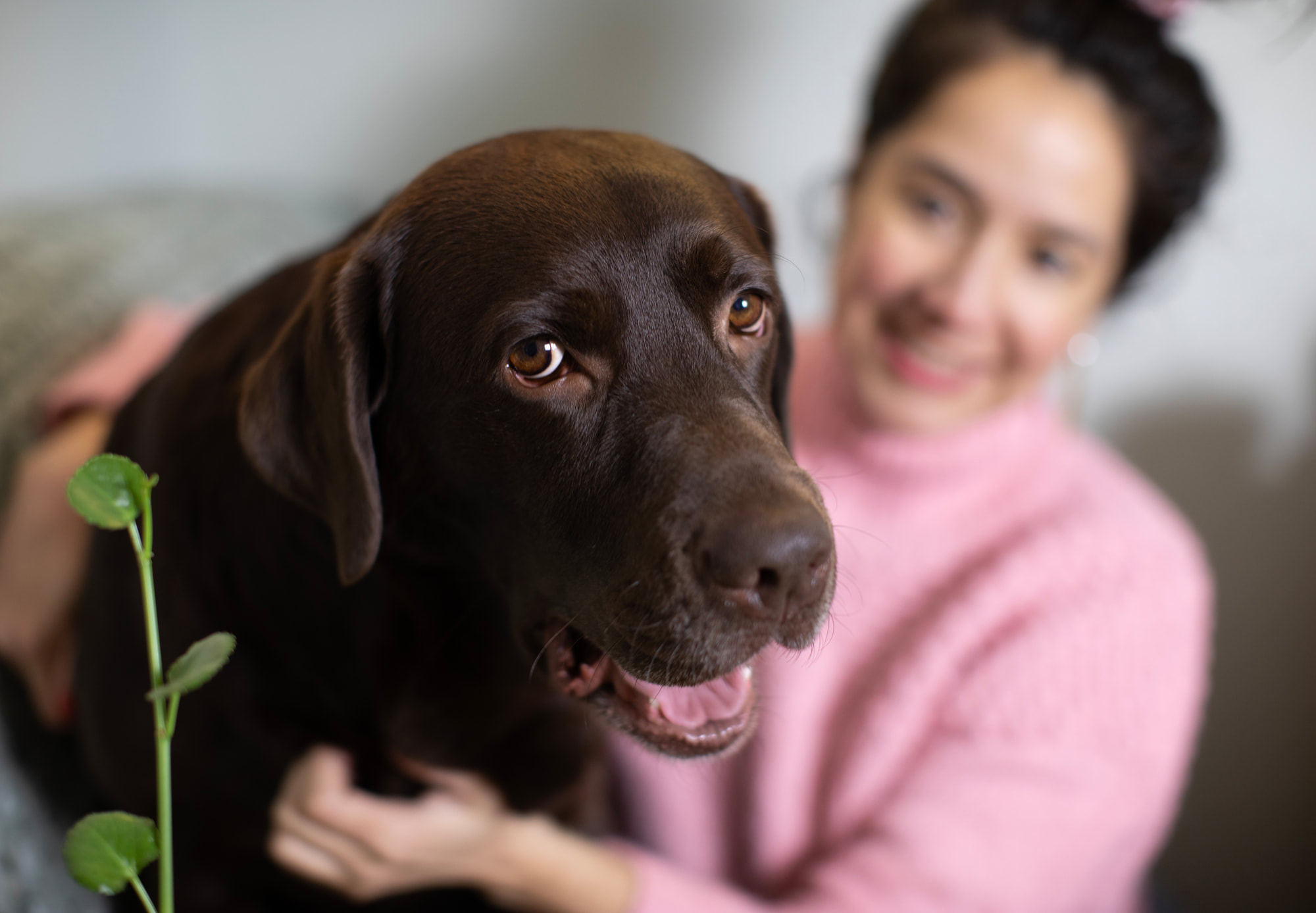
Good night to all of you, sweet dreams from Coya and me. <3
Today I’d like to talk about a dear (and sneaky) friend of ours: Grief.
No matter how much we want to think we’re over it. How much we tell ourselves and others no really, I’m fine —that was so long ago. I’ve cried enough.
It still shows up. Unannounced. Sudden. Like a shadow. A friend we were not expecting.
Demanding attention, care. Reminding us there is still a part of us processing a loss, getting used to a new state of things. It’s as if a part of was still protesting, “Wait, this is not the way this was supposed to go! This was not the end I had in mind, that I pictured so many times! This does not end like this! I don’t like this.”
It takes time, patience, love, (and perhaps some ice cream?) To remind our systems to stop fighting against the fact that Yes, things did change unexpectedly. Things did not go the way we hoped they would. That’s just the way life goes sometimes.
I’m telling you: Really, you don’t. I mean hang up the phone.
If something is eating at you, making your skin crawl, keeping you up at night or unable to focus at work or in your relationships: You don’t need to understand.
You don’t need to find the logic. You’re allowed to say, “I don’t know why, but this doesn’t feel right. It just doesn’t. So I’m going to go with that.”
Big thinkers tend to have a hard time allowing themselves to simply say, “I just don’t understand”. And I have heard from them how exhilarating it can be, in those moments when they are struggling to find a logical connection, to be able to exclaim, “I don’t know why that is the way it is. I can’t see why. I don’t understand, and maybe I never will. Maybe I just need to learn to live with that.”
Sometimes it’s even less involved than that, “I don’t know, and I don’t care. It’s just not working for me, so I’m out.”
Finding an explanation may bring you momentary peace, may set your mind at ease from the “this doesn’t make any sense” portion —but sometimes trying to find the right words is not worth staying somewhere you don’t want to be. After all, who are those words for? Chances are, they aren’t for you, since if you could just quietly listen inward, you would find all your answers. Your body is trying to speak to you, and sadly many times we fail to listen. We have been taught not to.
We often act like we need to justify our decisions to somebody else. It is our job to remind ourselves that we don’t.
Listening to yourself is honouring your inner wisdom. Your gut, literally, your belly, your body, is giving you signals to run. It may be that the situation reminds you of another where you were not treated properly, or of something else that led you down a path where you didn’t want to be. Perhaps of a situation where you put someone else’s needs before your own. Where you decided, inadvertently, to shrink because standing up tall would have gotten you in trouble. And your sweet body is still finding its way through its own healing, perhaps still unable to put all that into words.
But your stomach is speaking, and it’s saying: Enough.
If you are an immigrant, or familiar with the experience of moving through different norms or planes — cultural, geographic, emotional — you may identify with the following piece.
How can someone feel so different.
So empty. So alone. So far away.
How can inhabiting the same Earth Can sometimes feel so alien Be such a different experience?
She missed the warm home moments back where she grew up. Home had always felt tumultuous —but at least people wanted to be near, to connect. In her new (home? never!) town, her apartment always felt so big, so empty, so lacking. She missed the noise back home. The traffic. The way you had to always be on alert, always “on” —when you crossed the street, when you made it to the other end, when you got on the bus, while on the bus… but she also remembered the warm smiles, the easy laughs, the strangers volunteering their life stories as soon as they had an opening. Not to get anything out of you but a smile, a shared moment, a back and forth. And the non-strangers? Well, they already knew all your life story, of course. They had been with you while it was happening; they wouldn’t have missed a thing.
She wondered if it had all been worth it. If the space, the solitude, the bigger earnings… actually helped her feel fulfilled. Or more conflicted.
Big sigh. Tall Space Needle Volunteer Park Molly Moon’s Cal Anderson
All at once and nowhere at the same time, She stared through her window into the blackest night Being everywhere and nowhere There and back again Forever floating up, down, Sideways And once again, caught in the middle, with no end.
When something (be it a relationship, a moment with someone, a vacation, a job, a chapter in our lives) comes to an end … what is it that we miss?
Do we miss the moments we had during that period of time?
It is easy sometimes to remember passages of time, interactions, as if they were parts of a movie. Sequences with a defined beginning, middle, and an end. Colors, movements, scents, words, laughter, frowns… our minds hold on to the registries they were keeping for us while we were living, caught up in the moment.
And why do we get sad? Why does nostalgia set in?
I wonder if we mourn the set of events that will not happen again the same way they once did. Especially if the memories are of us being with other people, and we happen to bring them to mind when we are alone —they seem to sting in a particular way, because our brains are wired for connection. For instance: If you are Latina, like me, you may know how easy it is to feel the physical distance of your loved ones when they are not around. Even more so when living within a culture with very different norms in terms of expressing love and affection.
“Why do I get so sad missing my ex? If I am the one who broke up with him, then why can’t I stop crying?!”
When a chapter of our lives is over, even if we were the ones to decide it had to end, it’s absolutely normal to feel intense pain and mourn for what may seem like an extra long time. We miss the version of ourselves we were with that person: the laughter, the inside jokes, the physical touch… the dreams that didn’t get to materialize, the life plans we decided to let go of.
If your heart is going through that, do not try to apply any logic to your pain: Just let it be. Embrace your loss and remind yourself you know why you are taking that step. Give yourself lots of space to be sad, to cry, hold yourself tenderly like a warm blanket and remember: Breakups are a form of loss too. You get to mourn. It is okay to be sad.
Do you sometimes hear that voice coming at you, no matter how much you’ve done, how late you’ve stayed up studying, how hard you’ve worked, or how many hours you’ve spent on getting your place to look tidy and clean? No matter how much time and energy you’ve invested on getting those chores done: children fed, their homework done, dishes done and chaos averted?
You’re probably ready to tell me, “No, really —it just hasn’t been enough.”
Is it starting to feel difficult to fall asleep at night, going over all those moments where you feel you could have done “just a little better”, “pushed just a little bit harder”?
If so, chances are that little voice, your constant companion, started forming when you were very young, learning to trust and make sense of the world around you. Something in your environment sent you the message that no, it wasn’t enough. YOU weren’t enough. Perhaps it was someone you can clearly remember, even words that were explicitly said. Or perhaps you can’t really bring to mind anything specific —just the feeling of always falling short.
Whichever the case, I hope in those moments of despair, of feeling like you’re almost disappearing amidst your own demands, you can remember to give yourself some love. Yes, sometimes that’s all it takes. That’s all you needed back then, and today you get to choose to give yourself just that. I hope you can find some kind words for yourself, and allow yourself to have a self-compassionate moment where you get to remind yourself of everything you HAVE actually done, of the people that truly CARE about YOU and how you have their love no matter how much or how little you do. I hope you can take a deep breath to let yourself feel them within you, let their care for you warm you up from inside, and say quietly to yourself, “of course I am enough.”
Write a love letter to your body or a part of your body that has given you, or can at times give you a bit of a hard time (like pain or discomfort) or that you perhaps tend to be self-conscious about.
Maybe something like this:
My darling back,
I know you have been in a lot of pain lately. I’m really sorry about that. I can feel it too. I realize that at times I have gotten frustrated at you. I have felt confused or angry that I don’t know where the pain seems to be coming from, or that it continues to be there despite my efforts to make it better. I know that does not help.
I am sorry I have not been listening to you, or maybe not in the way you’ve needed me to. I know I expect so much from you, and in the past you have given me all you could. I know you would probably continue to do that now, without causing me any pain —but maybe time has changed things, and we both need to pay attention to that.
Maybe we just need to be better at listening to one another, and to strengthen our partnership as we adapt to the changes happening in each of us. I want you to know that I intend to continue to get better at listening to you and what you need, and at cultivating compassion towards you and me, and love and pride for all we have done together so far.
I love you so much and I’m so grateful for you. Thank you for supporting me and for taking me to all the places I want to go, and for being so strong for me, always. 💗
You know you’ve seen it before: either tucked away on a corner of your closet, or on a corner of your mind whenever you’re shopping for something special.
It’s always the same voice telling you, “That’s not me. That’s too much.” “Red? Only sluts wear red,” like a client used to tell me her grandmother would say.
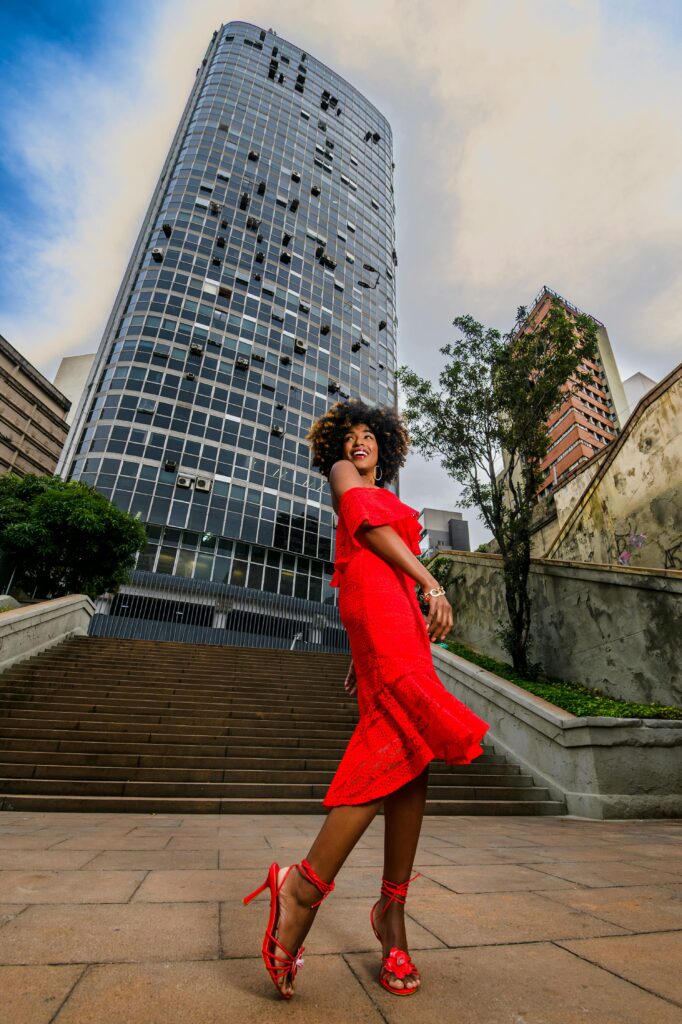
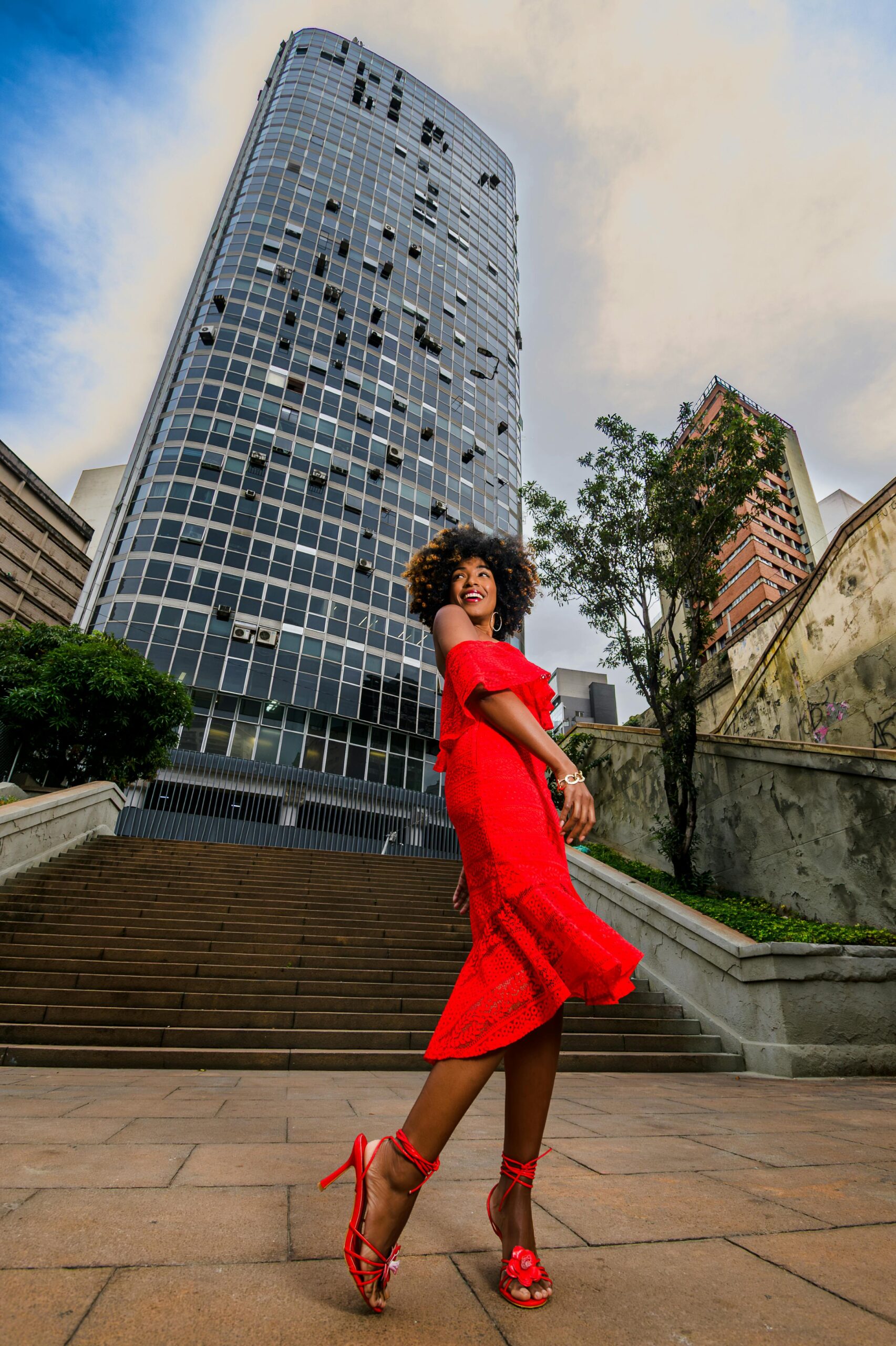
Do it. Wear that red dress. And grab the red heels too, while you’re at it. Be seen, celebrated, take the spotlight. If not for yourself, do it for your daughters, your granddaughters, and their daughters. Do it for all those women who were always taught to disappear into the background, to do as they were told. And to keep their place.
Show the world you’re out, and that there ain’t no stopping you.
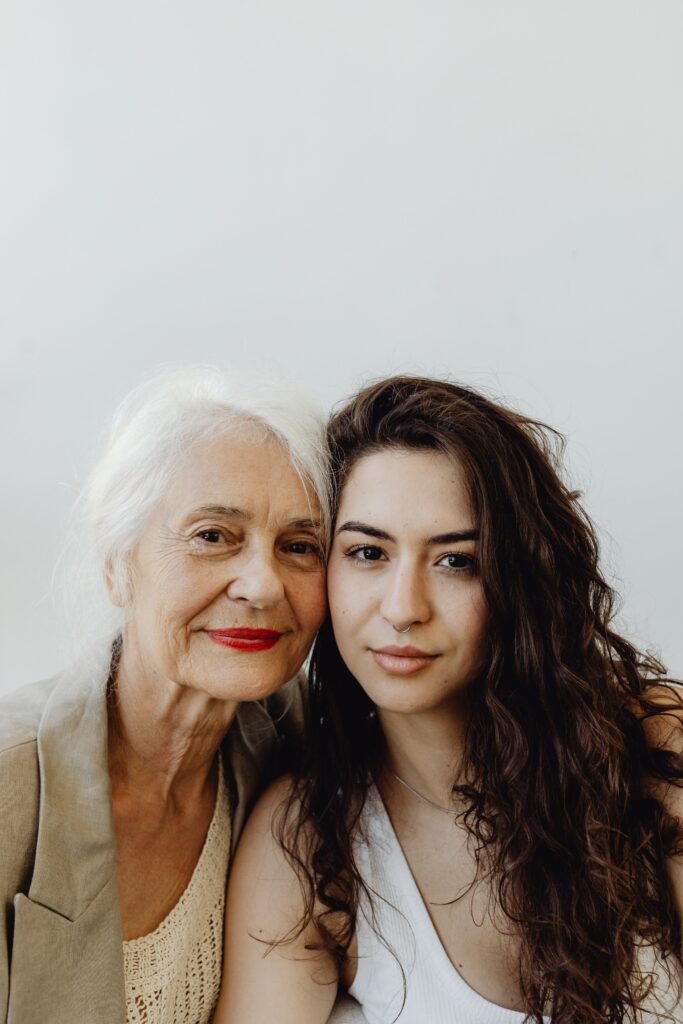
Her eyes, scared, tell me the story of too many a woman sitting at my office. She tells me of the multiplying creases on her face, the extra weight she did not have to worry about years ago, her hair showing more and more silver threads as years go by, and how scared she is of finding a partner at her age.
She cannot see herself as the mature, wisdom-filled badass I see in front of me. I try to tell her of the relentless way in which the media attempts to destroy our self-confidence the older we get, how the models on the magazines keep getting younger and how all that is an illusion designed to keep us “in our place”, a bunch of lies… and even though at times my words seem to wash over her, I can tell a part of her desperately wants to believe in what I say.
She wants to see herself as more than an aging body losing its glory, wants to resist the idea that her value is going down the more her face shows her years. For a moment I can see her holding on to that, even if by a thread. But to my dismay, she can’t stay with me very long.
And I understand.
It is not easy to stand against centuries of being told you’re no more worthy than your looks, than the number on the scale, the size of your waist.
But that glimpse of hope I saw when our eyes met, that fire I could feel in the room, even if still mixed in with fear —that told me my words were not spoken in vain. That showed me a woman eagerly trying to free herself out of a cage she hadn’t realised she was in. And as long as she continues to let the light come in, I will be holding it for her, for as long as she needs me to, until she is ready to come outside.
Why do we stay in situations that are not good for us? You name it: relationships, jobs, homes, rooms, dinners, phone conversations, weekend plans…? Clothes?
Is it the fear of the unknown? The thought that “we have already invested so much”? The fear of getting old alone that seems to be screaming at us everywhere? Seriously, when was the last time you saw a romcom celebrating singlehood in old age? Is it the legacy of our foremothers, still trying to make our subconscious believe that we need a partner to feel safe, complete? That silly notion that we may be happier in the company of another, of a life partner? Our seemingly undying desire to care for others, to protect, to mother? Even our prospective partners?
Many of my clients remember their bodies telling them that it was time for them to go. That their relationship time was up. But they did not want to listen. With tears in their eyes, fists closed, red faces, they remember those tense moments with regret. And let’s be clear —the sadness, the anger, oftentimes the disappointment, isn’t about their attempt at partnership not having worked out. It is about not having listened to their intuition. It’s about having stayed against their will, despite that little voice that urged them to be free, prolonging their discomfort, listening to pleas, robbing themselves of the peace and self-love they deserved.
If you’re feeling like something’s off —it probably is. If there’s something that’s making you cry every now and then, something tugging at your stomach, keeping you up at night, making you smile less often —I urge you to pay attention to that. And therapy can be a very good place to do that.
Listen to me:
YOU build your own joy. YOU get to celebrate, dance, sing, write, journal, build with stickers and bright colours the scrapbook of your life. However YOU want. If there is someone else in the room, they will be the lucky ones. Only if YOU let them be there; if they contribute to that joy that YOU have created. And because YOU created it, YOU are the only one that knows EXACTLY the right recipe for it to stay. And oh, trust me, girl —once you’ve found it, there’s no way you’ll ever give that up. Because that is real —and yes, it’s YOURS and YOURS alone.
I sense there is panic in the air. Some people are saying it more openly; others seem to feel better off not speaking much about the big impending change.
Not feeling welcome can have such deep negative effects on immigrant communities. It can be retraumatizing.
It took so much effort and bravery to leave what was once cozy and comfortable (and, in many cases, also hostile and terrifying), to brave adversity and settle down in a new, foreign place. Many felt the journey was worth it for the safety the destination would offer. Imagine their shock when the reality in their new chosen home starts to feel a lot like what they were hoping to flee from.
Perhaps a recent anecdote can help illustrate some of what I am talking about (a part of me may still be in denial about the change in leadership, and that can make it hard to put feelings into words):
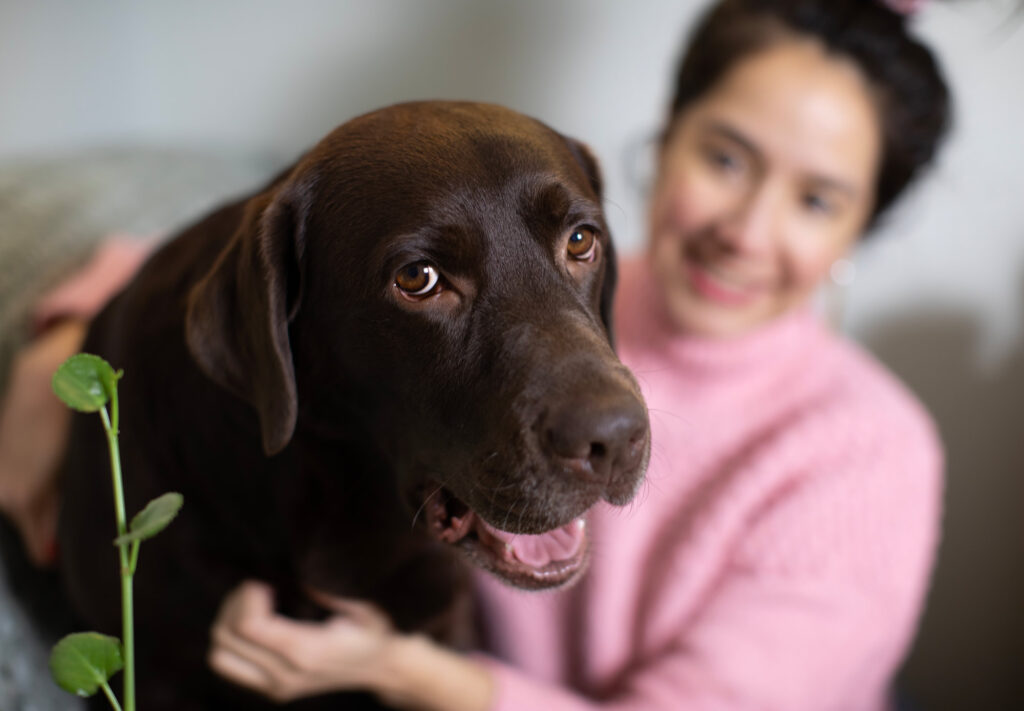
I was on my morning walk with my dog, a sweet chocolate Labrador named Coya (her name means “Queen” in Quechua) around Capitol Hill the morning after the election. After the initial shock when hearing the results, I had tried to remain calm by reminding myself that this was not the first time this was happening, that I now knew the kind of rhetoric that was familiar to this regime, and that could perhaps help me not let it get to me.
As Coya and I crossed the street, I could see a security guard by the corner building with a hat on, bundled up to fight the cold. His darker skin tone reminded me of my brother’s tan during the summer days growing up in my native Peru. I imagined his mannerisms revealed someone who, like me, was a relatively recent add-on to this country. On a regular day, I am not sure I would have gone out of my way to make eye contact with a stranger, or to greet someone on the side of the street. But that day, the morning after the election, I felt we could all use all the kindness we could get.
I said, “Good morning!” to him while giving him the biggest smile I could manage while Coya and I walked by his side. I realize now what I meant was, “I see you, young man. I am with you. You are not alone.” He looked at us, nodded, and returned a huge grin.
I walked a few more steps and burst into tears.
At first I was not sure what was going on. Seconds later I realized I could try to keep myself safe and protected, telling myself I could fight back any hostile words with kindness. Facing another I pictured in a similar situation, however, I could not look away. I felt sad for what could be in store for that young, kind man, who I imagined had woken up early that morning and shown up at work to continue to build that home away from home, where he had hoped to be welcomed with open arms. I felt sad for other immigrants like me, and maybe a bit for myself, for the uncertainty, for the struggles that may lie ahead.
And that made me more determined to carry that message with me for as long as I could:
I see you. You are not alone. We are in this together.
There are people who feel deeply attracted to what is different from them.Perhaps they revel in experiencing the complexities of new cultures, new types of food, of speech; idiosyncrasies most would deem confusing and disorienting. They enjoy the challenge of deciphering new codes and being able to master them (or perhaps the opposite —they like being constantly reminded that they will never be proficient at any of them).
These may be the people who are not afraid to be confronted with the not-knowing inherent to human nature —the brave souls who actually seek to have the rug pulled from under the feet on a regular basis, as part of their usual worldly experience.
I believe I am part of that group.
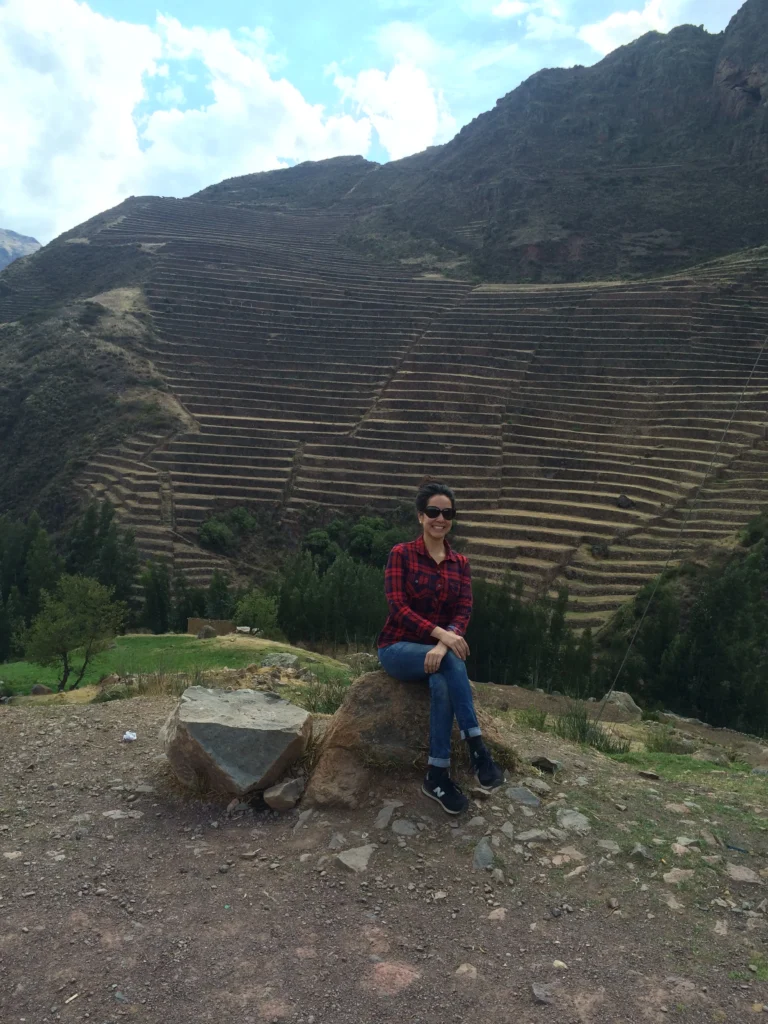
When I visit Perú, where I spent the first nineteen years of my life, there is still (and I believe there always will be) a sense of “home” my twenty one years of living abroad have not been able to shake off. My pores start breathing differently as soon as I get off the plane I boarded in the United States and start walking towards the airport terminal, my ears starting to get used to the nuances of Peruvian Spanish, the smells of the port-city of my youth and childhood, the chaotic immigration lines, the smells of busy lives trying to survive at roughly $270 a month which recently became the new national minimum salary.
I am at the same time repelled by and pulled towards the chaos, the loud voices, the lines supposed to be one but continuing to multiply, the confusion reigning in the rooms. I already miss Seattle, the city where I have lived for the last seventeen years and is seeing me flourish, where people would know to quietly pick a line and wait for their turn. At the same time there is something fun about seeing what happens if you don’t..
As I make my way through my days in Lima, realizing I am more a tourist than I am a local (as reluctant as I am to sit with that fact), noticing and getting used to the various accents of the people who populate the capital city, my heart smiles as I feel surrounded by the warmth of my fellow citizens, by their easy smiles, their openness to non-locals, their willingness to let themselves be seen and taken in. I am touched by the vulnerability present in the soul of the city, by how little it hesitates to embrace you and show you who it is, something that becomes more foreign to me the longer I spend abroad without a visit. Something I do not want to let go of.
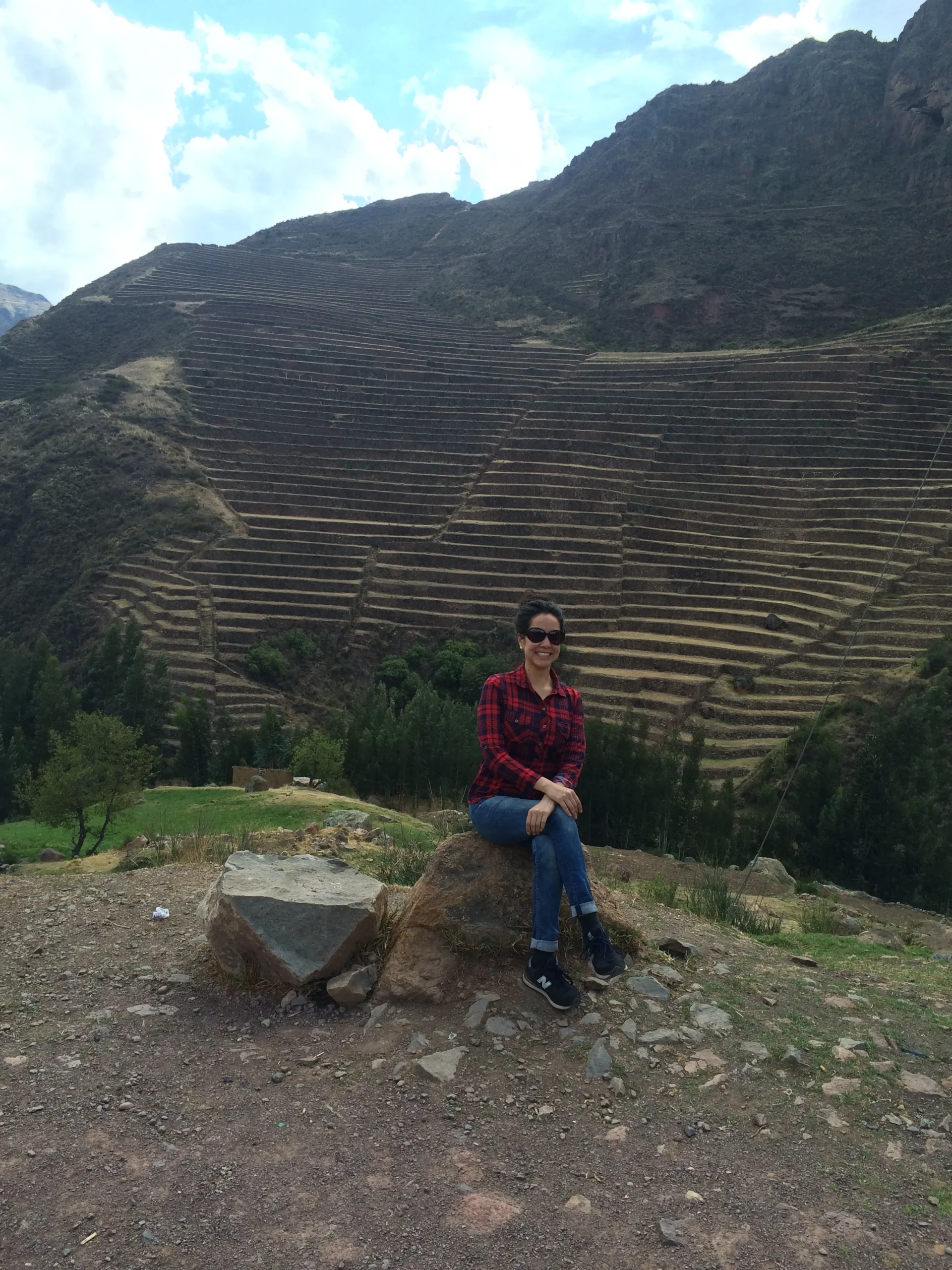
As I travel to different towns in Perú, there is always something to remind me of my “otherness”, of the fact that I stopped fully belonging to this land the minute I decided to establish myself in a different country, to breathe a different air and acquire customs that at times contradict the ones I was raised in. Rather than push me away, however, this not-belonging makes me want to reach in more strongly, a mix of curiosity and dare —is it my roots refusing to let go? The call of my Inca ancestors becoming alive and proudly reclaiming what is theirs? Whatever it is, I cannot ever be thankful enough for. I refuse to fully feel like “a stranger in a strange land” when I am back in what I still consider my hometown.
It is now, at around five in the morning by the side of the ocean, hearing the waves crash as I struggle to fall back asleep in what is supposed to be my serene, relaxing vacation before I go back to work in the “land of the free,” that I feel most at home, lulled to sleep by a sea who has no questions, no complaints, no hurt feelings, no resentment about my departure twenty one years ago or the slightest sense of confusion even —a good friend who is simply delighted to see me back, eager to hold me and not let me go. A loving being that calmly and playfully, fancifully, stares at me and asks, “Back? My child, you never left…”
If you are bilingual and thinking about starting the exciting (and, okay, perhaps intimidating at times too) journey of psychotherapy, you’re probably wondering what language you’d like to do that in. Perhaps you were born in the United States and grew up speaking your immigrant parents’ language as a second tongue, but did not get to use it much other than at home to communicate with them.
If so, you may have never visited the places where your parents and their parents migrated from, where your family history originated, but still hold on to the language you all share as a way to not lose your connection to them, to what came before you.
You may, on the other hand, also have conflicting feelings about why they made you learn that language in the first place.
Perhaps you moved to the United States when you were very young but having already achieved fluency in your first language, one that became rusty once you embraced English in your day-to-day and which you don’t get to practice much anymore.
Or maybe you have recently arrived in the US and are struggling to find the words you want to use to express exactly what you want to say in English, your new chosen language. You may be starting to feel constantly confronted with a certain humbleness you never experienced back home when fluently talking with friends, or loved ones, in your mother tongue. And realizing how limited an entire language can be. You may also have lived here for most of your life and still experience some of that. I count myself among the latter, having started to embrace my frequent pauses in any given conversation while I try to choose among my double repertoire the most appropriate specimens to convey what I feel at each moment.
Your experience may also be a combination of some of the possibilities I have presented so far. Whichever the case, one of the things you’re probably considering is, should I speak English while I navigate through the therapeutic process like I do everywhere else? Or should I stick with this other peculiar tongue of mine?
As a Latina, I feel I have personally gained a lot through treatment with Caucasian, English-speaking therapists. Although they did not speak the language of Cervantes that I am fluent in and grew up around, we were still able to establish a solid therapeutic connection. Their dedicated care, coupled with the fact that we belonged to different cultures, helped me feel welcomed in a land that was (and still is) in many ways foreign to me, even after living in the States for the last nineteen years. Feeling accepted in their presence emphasized how alike we are as human beings and made other substantial differences almost not matter much, from which I derived a lot of healing.
However, sitting with a therapist who has successfully dealt with the initial cultural shock that comes with moving to a new country has its own set of advantages.
You both understand what feeling “new” somewhere means. And I’m not talking about a new school, a new neighborhood, or a new group of friends. I mean all of that, multiplied several times by ten or a hundred. Being in a new universe –with its own set of rules, its do’s and don’ts, a new linguistic code (i.e. if you didn’t speak English when you first moved to the US) creates a kind of emotional distress that is pretty difficult to grasp unless you have actually gone through the process.
A psychotherapist who specializes in multiculturalism (who has often experienced the joys and challenges of navigating through different cultures themselves) is well versed in that “out-of-place-ness” feeling that comes with transitioning to a new environment, and the psychological upheaval that often entails for the person undergoing such a change.
The Spanish-speaking clients I have helped over the years often comment on how comfortable they feel being able to hear someone who is sitting with them in a professional capacity speak the language they remember having their very first conversations in, the language that their most cherished childhood memories are engraved in. To be in a safe space with another who is able to listen to them deeply and provide compassionate feedback, and to do this in a language they hold dear, is quite meaningful to them. This in the long run proves to be very helpful to them in achieving the therapeutic goals they set for themselves.
The choice is ultimately yours and, as I’ve hoped to explain in this note, there is a lot to be gained by speaking either English or the language of your ancestors, if they are not the same, with your counselor. Whichever the case, I hope you are able to enjoy the therapeutic ride you set out on, and that it allows you to reach the most unimaginable places within yourself. ή♪
Wandering Thoughts.
Here is a space where I like to share some thoughts about therapy, life, and any other topics that may spark my interest. Enjoy!